André  Vasconcelos

André Vasconcelos

Global Engagement Lead

André is the Global Engagement Lead at Trase, Global Canopy’s supply chain mapping initiative in partnership with the Stockholm Environment Institute (SEI). He coordinates the team's engagement activities involving dialogue and solutions building with global actors to make agricultural commodity supply chains more sustainable. André brings over 15 years of experience across sustainability, spanning deforestation, responsible sourcing, international policy, sustainable finance, restoration, and forest certification. He combines extensive on-the-ground conservation experience across Brazil, including the Amazon, with strategic work on international policy and global supply chains, particularly linking China, South America, and Europe. He holds a degree in Ecology from the Universidade Estadual Paulista (UNESP) and an MSc in Biodiversity Conservation from the University of Oxford.
Insights by André Vasconcelos

climate change
7 min read

Leveraging supply chains for climate action: the outsized carbon-saving potential of seven companies

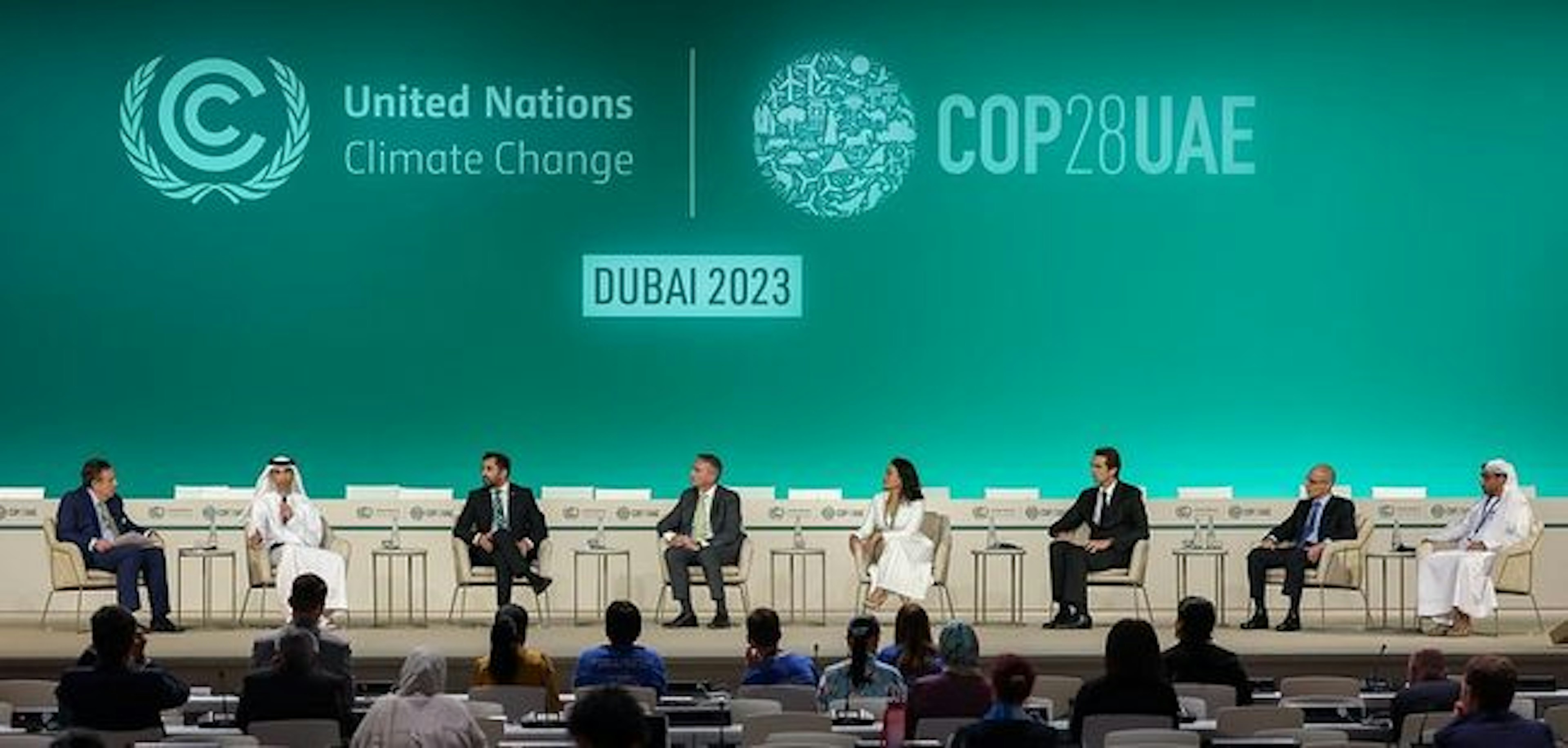
If the seven agricultural commodities trading companies with the highest exposure to land-use change emissions fully implemented zero-deforestation and peat-free sourcing, they could contribute to greenhouse gas reductions by more than the entire annual emissions of the Czech Republic. In the run up to the COP30 climate summit, most of the companies have yet to demonstrate that they are taking the action needed to deliver these reductions.

cattle grazing
6 min read

How Brazil and China can use data for a more sustainable cattle sector

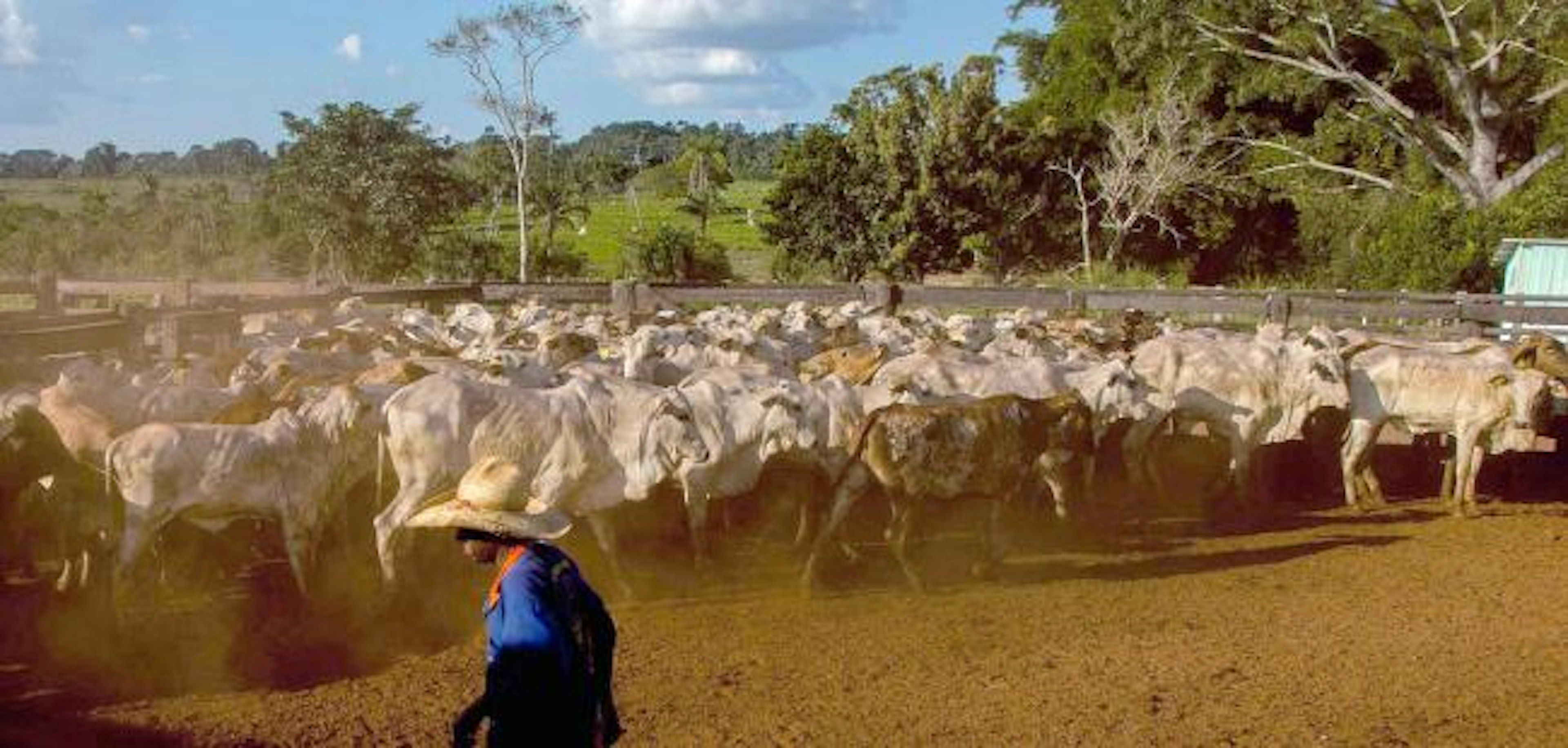
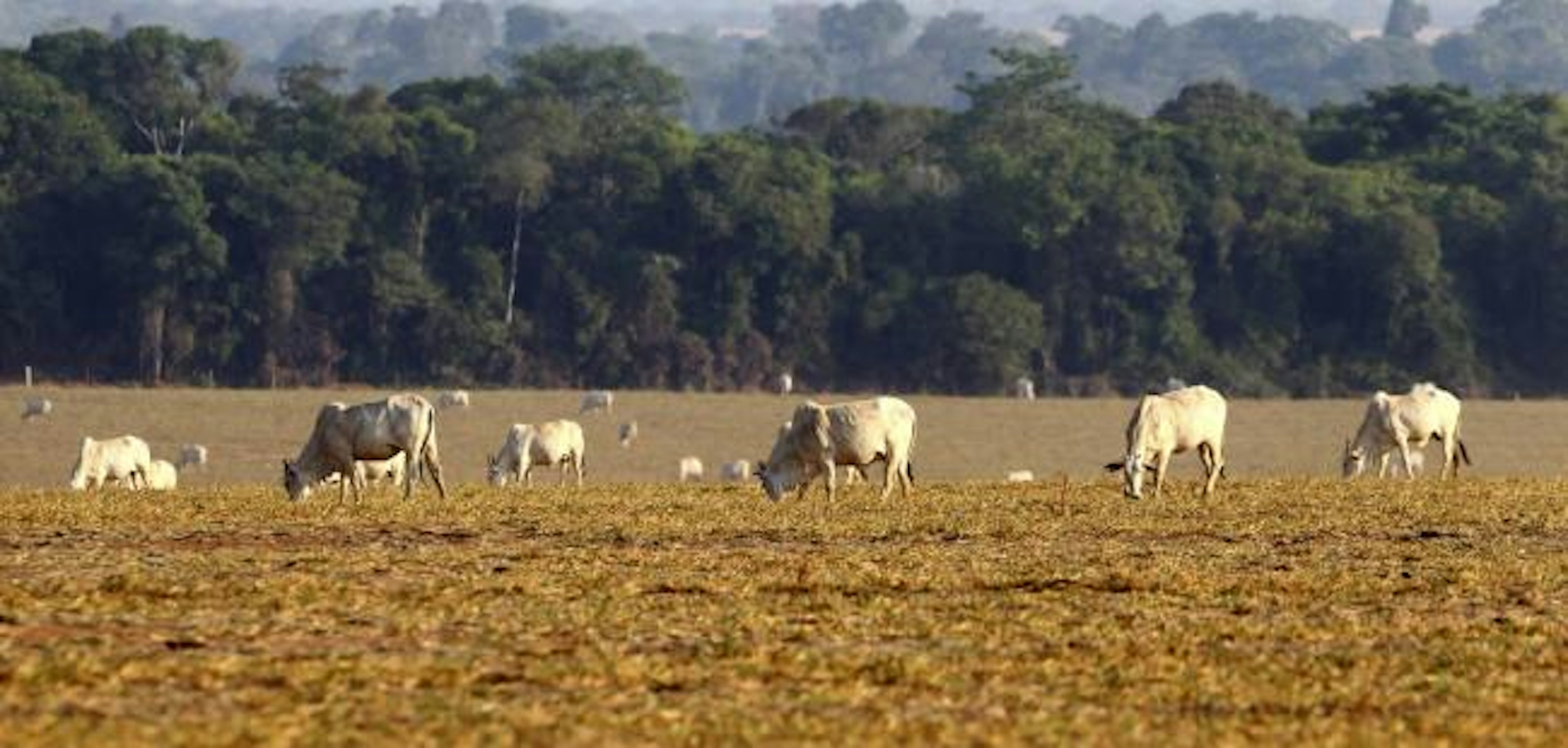
Pasture for grazing cattle is impacting natural ecosystems, with Brazil's 2020 beef exports linked to 340 million tonnes of emissions through deforestation. China is the largest importer of Brazilian beef and is therefore also the largest importing market exposed to cattle deforestation and conversion from Brazil. Here's how leveraging data and using monitoring solutions can help countries like Brazil and China to build a more sustainable cattle supply chain.

Also in

中文