
17 min read
EU Deforestation Regulation explained
Trase outlines the key provisions of the EUDR and highlights some of the challenges with implementing the regulation.

Content Lead
James is an experienced business journalist specialising in corporate sustainability, green finance and environmental policy. Before joining Trase in 2020, he was editor of The Economist Group’s World Ocean Initiative, research editor at Trucost, part of S&P Global, and sustainability editor of The ENDS Report.
Trase outlines the key provisions of the EUDR and highlights some of the challenges with implementing the regulation.

The European Commission is proposing to remove leather from the EUDR, despite it being linked to a substantial part of the EU’s deforestation footprint. Rather than making last minute changes to the scope of the regulation, the Commission should focus on effective implementation.

Can Brazil and China use their outsized influence over the global trade in agricultural commodities to reduce deforestation, limit climate change and support food security?

Global efforts to halt deforestation have largely overlooked the expansion of fields to grow staple crops such as rice, maize and cassava for domestic food consumption, innovative new research has found. It recommends that governments and businesses should pay greater attention to these drivers given their substantial impact on biodiversity loss, climate change and food security.

The expansion of cocoa production is responsible for more than half of all forest loss in Ghana, according to a new study by Trase partners UCLouvain. It shows that cocoa expansion plays an important indirect role as it pushes out food production into forest reserves, highlighting the need for a holistic approach to land-use management and environmental protection.

Weakening the EU deforestation regulation (EUDR) by including it in plans to "simplify" environmental legislation will undermine business confidence, increase costs and damage progress towards goals on climate change, biodiversity loss and food security, according to Trase’s submission to a consultation by the European Commission.

Trase data and intelligence has been used by the European Commission, member state governments, enforcement agencies, politicians and civil society groups in the creation of the EU deforestation regulation – the first-ever legislation aimed at breaking the link between deforestation and the trade in agricultural commodities.

Trase’s strategy for 2025–2030 aims to deliver systemic change in commodity markets, supply chains and production landscapes.

Existing publicly available geospatial data can help companies and competent authorities meet the requirements of the EU deforestation regulation, according to a report by Trase commissioned by ClientEarth. But it is important that they are aware of how best to use it.

Robeco, Schroders, Federated Hermes and Storebrand are among the financial institutions that have used Forest IQ – which uses Trase data – to assess their deforestation exposure, enabling them to implement recommendations of the Taskforce on Nature-related Financial Disclosures.

Deforestation in the Amazonian regions of Bolivia, Ecuador and Peru is of increasing concern due to the expansion of cropland for soy, cocoa, maize, rice and cassava, according to a new report by Chalmers University of Technology, Stockholm Environment Institute, Trase and WWF.
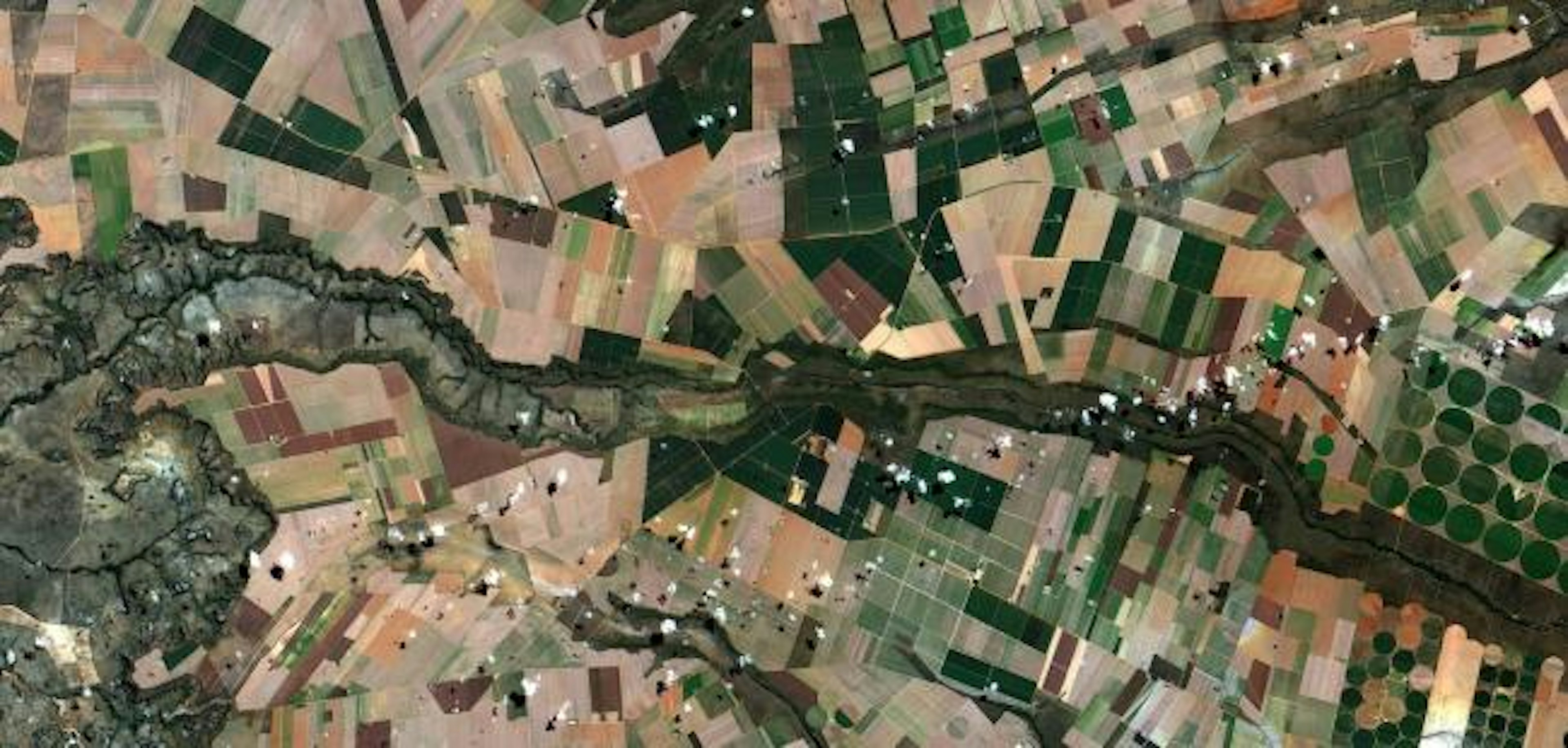
Trase data enables organisations to map supply chains, understand risks and opportunities, inform decision making and communicate progress towards sustainability goals.

Companies exporting cocoa from Ghana are failing to publicly demonstrate that their supplies are not grown on deforested land, according to research by Trase, raising questions over their sustainability commitments and their preparedness to comply with the EU deforestation regulation.
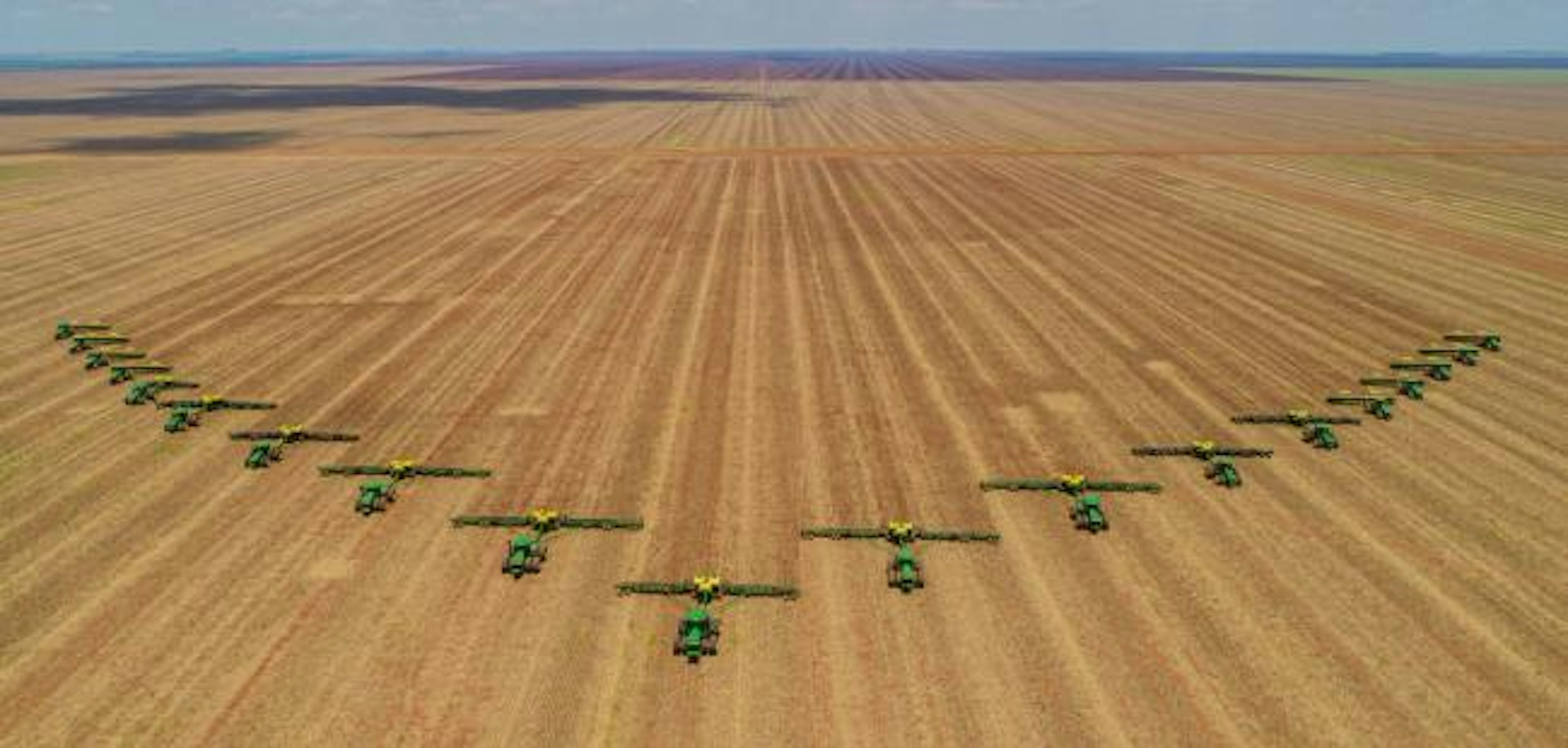
Traders will struggle to prove that soy from Brazil complies with its environmental laws due to gaps in official data, potentially reducing sales to the EU, according to a report by Trase and Instituto Centro de Vida (ICV).

Trase and Proforest have published recommendations for establishing a fair and effective risk benchmarking to underpin the EU deforestation regulation.

A Trase webinar to launch new data on soy production in Brazil discussed the EU ‘due diligence’ regulation, China’s role as key export market and a risk-based approach to reducing deforestation.

Indonesia has achieved a dramatic reduction in deforestation linked to palm oil production, new research by Trase shows. But further measures will be needed to continue progress as China sources increasing amounts of palm oil with a higher deforestation risk.

A narrow focus on protecting forests could increase pressure on other ecosystems in South America where most of the EU’s commodity-driven deforestation exposure is found.

Implementation of the draft regulation could be improved by using robust risk assessment to target action on areas threatened most by deforestation.

UK financiers provided over £40 billion to companies at risk of causing deforestation in Brazil and Indonesia through their trade in beef, soy and palm oil, according to analysis by Trase Finance.

Trase has launched a new smartphone app that informs supermarket customers in Brazil about the environmental and social performance of the meat products that they purchase.

Trase research is an important part of a new WWF report into tropical deforestation associated with EU agricultural commodity imports.

Investors have a powerful new tool to identify hotspots of deforestation risk in their portfolios, improve how they measure ESG performance and create innovative green products.
Trase outlines the key provisions of the EUDR and highlights some of the challenges with implementing the regulation.
The European Commission is proposing to remove leather from the EUDR, despite it being linked to a substantial part of the EU’s deforestation footprint. Rather than making last minute changes to the scope of the regulation, the Commission should focus on effective implementation.
Can Brazil and China use their outsized influence over the global trade in agricultural commodities to reduce deforestation, limit climate change and support food security?
1-3 of 23

Data Scientist

Design Lead

Impact Team Lead

Communications Officer

Impact Lead

Monitoring, Evaluation, and Learning Lead

Communications Lead

Co-Director

Communications Officer

Researcher

Global Data Engagement Lead

Graphic Designer

EFI Partnership Lead

Researcher

Data Scientist

Engagement Lead - South America

Researcher

Communications Officer