
17 min read
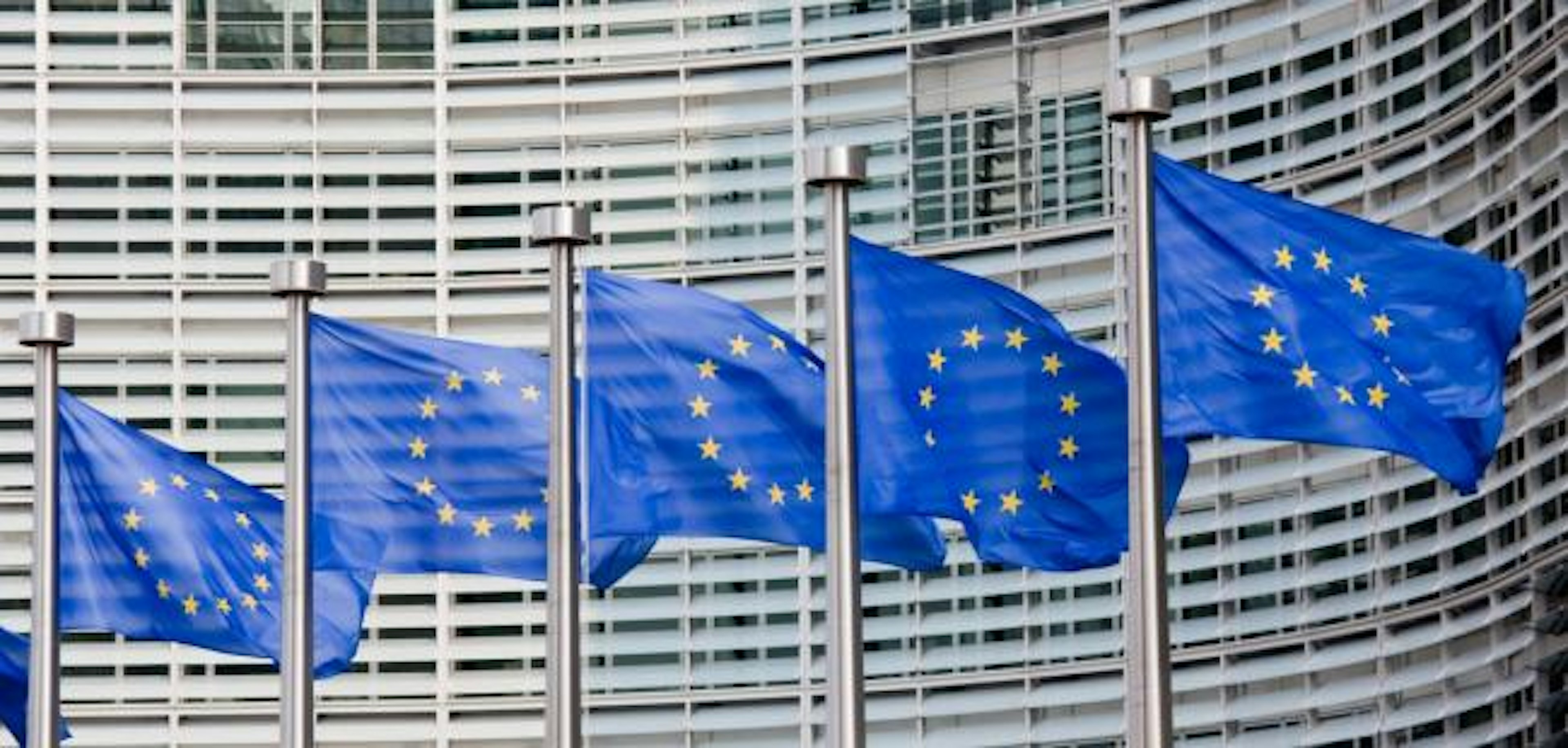
EU Deforestation Regulation explained
Trase outlines the key provisions of the EUDR and highlights some of the challenges with implementing the regulation.

Co-Director
Helen is Trase's Co-Director and Global Canopy's Deputy Executive Director. Helen supports work on Trase's impact agenda, working most closely with governments and civil society. Helen holds a degree in Natural Sciences from the University of Cambridge (BA, 2010) and Finance from the Open University (MS, 2022). Outside of Trase she spends probably too much time on football fields.
Trase outlines the key provisions of the EUDR and highlights some of the challenges with implementing the regulation.

Companies buying beef from Brazil should take a data-driven approach to assessing the risks of slaughterhouses and farms supplying cattle linked to deforestation, according to a new report by Trase.

The European Commission is proposing to remove leather from the EUDR, despite it being linked to a substantial part of the EU’s deforestation footprint. Rather than making last minute changes to the scope of the regulation, the Commission should focus on effective implementation.

Weakening the EU deforestation regulation (EUDR) by including it in plans to "simplify" environmental legislation will undermine business confidence, increase costs and damage progress towards goals on climate change, biodiversity loss and food security, according to Trase’s submission to a consultation by the European Commission.

Companies and financial institutions can use the freely available data to meet regulatory requirements such as EU Corporate Sustainability Reporting Directive (CSRD) and voluntary frameworks including Taskforce on Nature-related Financial Disclosures (TNFD).

Trase data and intelligence has been used by the European Commission, member state governments, enforcement agencies, politicians and civil society groups in the creation of the EU deforestation regulation – the first-ever legislation aimed at breaking the link between deforestation and the trade in agricultural commodities.

Trase outlines its recommendations to make the best use of the one-year delay in the implementation of the EU deforestation regulation (EUDR) to further develop the guidance, partnerships and finance needed to achieve a successful transition to deforestation-free commodity supply chains.

Amendments to the EU deforestation regulations proposed by the EPP group in the European Parliament are not based on evidence and could breach free-trade rules.

A new global dataset on commodity-driven deforestation called DeDuCE is helping governments, companies and civil society assess the deforestation exposure of producer and consumer countries. Its use reveals six insights to inform the transition to zero-deforestation trade in beef, soy, palm oil and other important commodities.
Helen Bellfield and Toby Gardner, Trase’s co-directors, answer some frequently asked questions about the benefits and limitations of our data in assisting companies and governments in their efforts to implement the EU deforestation regulation (EUDR).

Delivering legislation to tackle deforestation should be a priority for the newly elected British government. Trase research shows the UK’s demand for beef, cocoa and palm oil continues to drive high levels of forest loss and land conversion in Brazil, Côte d'Ivoire and Indonesia.
The EUDR will have significant implications for the coffee sector. Appropriate guidance and nuanced risk classifications from the EU Commission can support effective implementation.

Many businesses are seeking clarity on how the EU deforestation regulation will be implemented, especially its proposed classification of countries by risk levels. The success of the law can be boosted by the EU closely engaging producing countries and using the best available deforestation data - including zooming in on regions within countries when considering risk.

Trase analysis of the EU’s draft due diligence regulation finds that the proposal fails to account for more than half of the bloc’s deforestation risk from imports of soy due to its exclusion of soy used in animal feed.

New data on deforestation risk exposure builds the case for investors elevating deforestation in their risk management priorities.

Through targeted engagement with a handful of traders and local governments, China could significantly reduce risks associated with its Brazilian beef imports.
Trase outlines the key provisions of the EUDR and highlights some of the challenges with implementing the regulation.
Companies buying beef from Brazil should take a data-driven approach to assessing the risks of slaughterhouses and farms supplying cattle linked to deforestation, according to a new report by Trase.
The European Commission is proposing to remove leather from the EUDR, despite it being linked to a substantial part of the EU’s deforestation footprint. Rather than making last minute changes to the scope of the regulation, the Commission should focus on effective implementation.
1-3 of 16

Data Scientist

Design Lead

Impact Team Lead

Co-Director

Communications Officer

Impact Lead

Monitoring, Evaluation, and Learning Lead

Communications Lead

Senior Content Lead

Communications Officer

Researcher

Global Data Engagement Lead

Graphic Designer

Research and Development Team Lead

EFI Partnership Lead

Researcher

Data Scientist

Engagement Lead - South America

Director of Operations

Product Team Lead

Researcher

Communications Officer