Central to the due diligence process for operators and traders is to assess the risk that commodities being imported or sold in the EU do not comply with the requirement that they are deforestation-free and produced in accordance with the relevant legislation of the origin country. Only those assessed as posing no risk or only negligible risk can be placed on the market or exported.
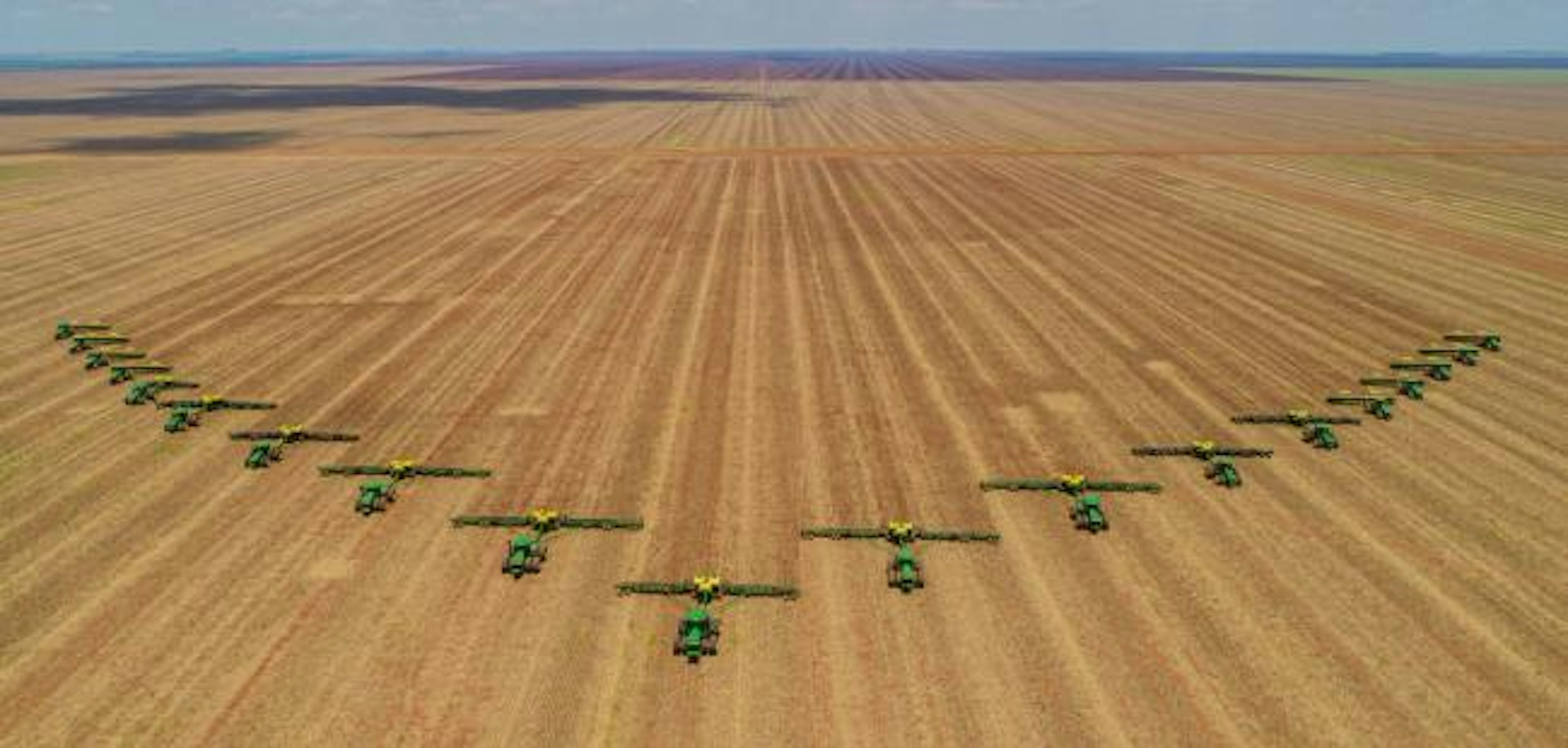
The EUDR sets out fourteen criteria that should be included in the risk assessment. Trase can provide relevant information for criteria on “the prevalence of deforestation in the country of production or parts thereof”through its extensive data on subnational commodity deforestation. Although Trase’s definition of deforestation is not fully aligned with the EUDR (as we also include the conversion of other types of native vegetation where data is available), or with the end-of-2020 cut-off date, it can provide an excellent overview of subnational commodity deforestation exposure. This shows that deforestation is often highly concentrated in a minority of production regions, as is the case for Brazilian soy.
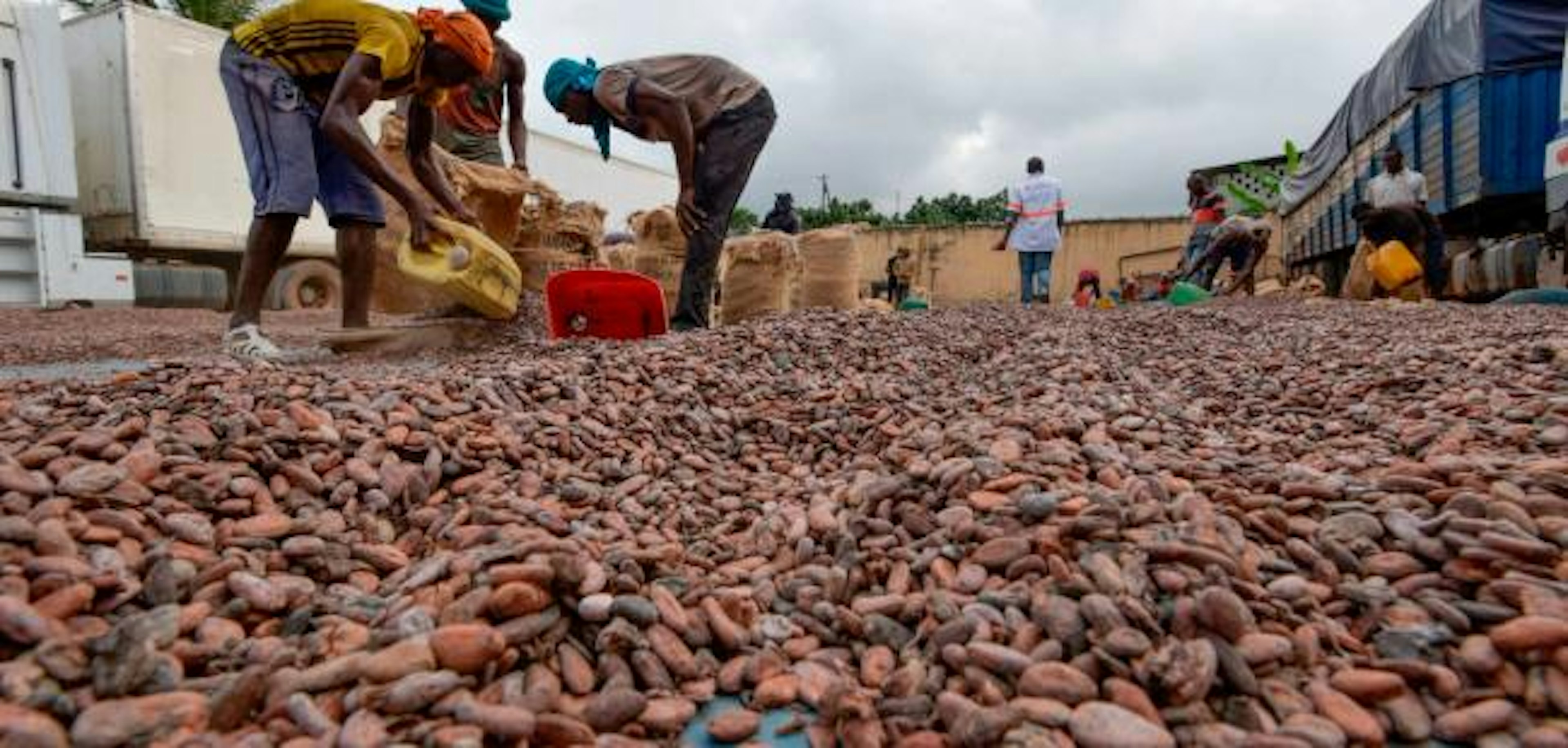
In some cases, Trase data can help companies understand at a high level the complexity of the relevant supply chain and the risks of mixing with non-compliant or unknown products (two other important risk criteria). For example, Trase data shows that 60% cocoa from the Côte d’Ivoire is indirectly sourced or of unknown origin. Work by Trase researchers has found similar issues across the soy, cattle, cocoa and palm oil supply chains.